
Ever wondered if your budget could be as lean as a supermodel on a juice cleanse? Welcome to the world of zero-based budgeting, where every dollar has a job, and no expense is left unaccounted for. Forget about the old-school budgeting methods that feel more like a chore than an art form. Zero-based budgeting is here to turn your financial planning into an exciting game of resource allocation!
This innovative approach to budgeting requires you to start from scratch – yes, like a toddler with a crayon on a new canvas! Instead of rolling over last year’s budget, you justify every single expense as if you were defending your PhD thesis. By embracing zero-based budgeting, you not only gain a clear roadmap for your finances but also learn to prioritize what truly matters.
Talk about a money makeover!
Understanding Zero-Based Budgeting
Zero-based budgeting (ZBB) is not just a trendy finance term thrown around in coffee shops by people wearing glasses and sipping lattes; it’s a powerful financial planning method that requires you to justify every single dollar in your budget. Instead of starting with last year’s budget and making adjustments, ZBB starts from a clean slate (or a “zero base,” if you will).
This approach is like a financial reset button, ensuring every expense is necessary and aligned with your goals, rather than just an automatic habit passed down like grandma’s secret cookie recipe.In the world of finance, zero-based budgeting involves a systematic review of all expenses, requiring you to consider each item’s necessity for the upcoming period. By doing so, organizations and individuals alike can prioritize spending based on actual needs rather than past expenditures.
It encourages a deep dive into your finances, revealing areas where you may have been tossing cash like confetti at a parade.
Implementation Process of Zero-Based Budgeting
Implementing zero-based budgeting is like preparing for a marathon—it’s a process that requires planning, commitment, and maybe a few energy gels (figuratively speaking!). Here’s how to embark on this budgeting journey in a structured manner:
1. Define Your Objectives
Set clear financial goals that align with your values or business strategies. Whether it’s saving for a vacation or increasing your company’s market share, knowing your destination is key.
2. Identify Your Expenses
List all your current expenses, categorizing them into fixed and variable costs. This step is akin to pulling out that old box of receipts gathering dust under your bed. It’s time to confront those numbers!
3. Allocate Funds Based on Necessity
For each expense, determine whether it’s essential or just a luxury item masquerading as a need. Focus on prioritizing expenses that contribute to your objectives—like prioritizing avocado toast over pumpkin spice lattes if you’re trying to save for a house.
4. Review and Adjust Regularly
Zero-based budgeting is not a one-and-done kind of deal. Regular reviews will help you adapt to changes in income or unexpected expenses. Think of it as maintaining a relationship—communication is key!
5. Utilize Technology
Consider using budgeting software or apps that help track and manage your ZBB efforts. It’s like having a personal trainer for your finances, keeping you in check.In essence, the zero-based budgeting process encourages you to reassess and realign your financial priorities regularly, ensuring you’re not just coasting through life on autopilot.
Differences Between Traditional Budgeting and Zero-Based Budgeting
Understanding the distinctions between traditional budgeting and zero-based budgeting can be as enlightening as comparing apples to oranges—if the oranges were really passionate about justifying their existence. Traditional budgeting typically uses the previous year’s budget as a baseline, making adjustments based on historical data. This can lead to inertia, where expenses are repeated without evaluating their current relevance.Conversely, zero-based budgeting starts from scratch, necessitating justification for every expenditure.
This approach can lead to greater efficiency and cost savings but requires more detailed analysis and planning. Here are the key differences summarized:
| Aspect | Traditional Budgeting | Zero-Based Budgeting |
|---|---|---|
| Starting Point | Last year’s budget | Zero base (no previous budget) |
| Justification | Incremental adjustments | Every expense must be justified |
| Focus | Historical data | Current needs and objectives |
| Flexibility | Less flexible, can lead to stale practices | Highly adaptable; encourages innovation |
| Time Requirement | Less time-consuming | More time-intensive due to in-depth analysis |
In summary, while traditional budgeting may seem like an easy path, zero-based budgeting offers a fresh perspective that can lead to better resource allocation and ultimately greater financial health. So, buckle up and prepare for a ride through the world of zero-based budgeting—it may just be the financial roller coaster you’ve been waiting for!
Zero-Based Budgeting in Personal Finance
Zero-based budgeting (ZBB) in personal finance is all about being a meticulous money maestro. Think of it as a financial symphony where every dollar has a job, and there are no idle notes hanging around. Instead of viewing your budget as a static document, ZBB transforms it into a dynamic plan where every cent is allocated to expenses, savings, or debt repayment, ensuring that your income minus your expenses equals zero—like magic, but with a lot less wand waving.Creating a zero-based budget for your everyday expenses can feel like herding cats at first, but fear not! With a few structured methods and tips, you’ll be orchestrating your financial future in no time.
For starters, it’s essential to list all your sources of income—think of it as your financial harvest. Next, categorize your expenses into fixed, variable, and discretionary. Fixed expenses are like those dependable old friends you can count on, while variable expenses are the unpredictable thrill-seekers. Discretionary expenses? Well, they’re the fun cousins who always want to party!
Methods for Applying Zero-Based Budgeting
To effectively implement zero-based budgeting in personal finance management, consider these methods that serve as the backbone to your financial symphony:
- Track Your Income: Start by documenting all sources of income. This can include your salary, side hustles, and any passive income streams. Knowing how much money you have to work with is crucial.
- List Your Expenses: Break down your expenses into specific categories: fixed (rent, utilities), variable (groceries, gas), and discretionary (entertainment, dining out). This helps in identifying where you can cut back.
- Allocate Every Dollar: Assign every dollar a job. If you earn $3,500 this month, allocate it to expenses, savings, and debt repayment until you reach zero. This gives you a clear financial roadmap.
- Review Regularly: Your budget isn’t a ‘set it and forget it’ deal. Review and adjust your budget monthly to reflect any changes in income or expenses. Think of it as a financial fitness check-up!
Tips for Creating a Zero-Based Budget for Everyday Expenses
When you’re crafting a zero-based budget, keep these tips in mind to ensure you stay on track and avoid the common pitfalls that might trip you up:
- Be Realistic: Estimate your expenses accurately. If you generally spend $150 on groceries, don’t budget for $100 just because it sounds good. This leads to disappointment and chaos.
- Include Savings and Debt Repayment: Your budget should not only cover spending but also prioritize savings and debt repayment. Treat these as non-negotiable expenses! Your future self will thank you.
- Use Budgeting Tools: Consider using apps or tools designed for zero-based budgeting. They can help simplify the process and make budgeting feel less like a chore and more like a game.
- Plan for Irregular Expenses: Don’t forget to allocate funds for those pesky irregular expenses, like car maintenance or annual subscriptions. Planning ahead avoids financial surprises that can derail your budget.
Common Challenges in Adopting Zero-Based Budgeting
While zero-based budgeting is an effective tool, it’s not without its challenges. Here are some common hurdles individuals may face and strategies to leap over them like a financial ninja:
- Difficulty in Tracking Expenses: Many people struggle to keep track of every dollar spent. Using apps that sync with bank accounts can ease the tracking process and provide instant visibility into spending.
- Overlooking Irregular Expenses: Forgetting to account for irregular expenses can throw your budget out of whack. Create a category for these miscellaneous expenses to keep your budget balanced.
- Emotional Spending: Impulse purchases can sabotage your best efforts. Practicing mindful shopping and waiting 24 hours before making non-essential purchases can help curb this habit.
- Time-Consuming Process: Initially, setting up a zero-based budget can feel overwhelming. Start small and expand your budgeting efforts as you gain confidence. Rome wasn’t built in a day, and neither is a perfect budget!
Zero-based budgeting: where every dollar has a job and no one is left behind!
Zero-Based Budgeting for Businesses
In the dynamic world of business, where every dime counts and financial decisions can feel like a high-stakes poker game, zero-based budgeting (ZBB) emerges as a powerful tool. It’s not just a budgeting method; it’s a way to revolutionize how businesses allocate resources, ensuring that every expense is justified, and no dollar is wasted on the ghost of expenses past.Zero-based budgeting allows companies to start from a clean slate with every new budgeting period.
Instead of simply adjusting last year’s figures, businesses must justify all expenses, ensuring that every dollar spent aligns with current business objectives. This approach fosters a culture of accountability and efficiency while giving decision-makers the clarity they need to make informed choices. With ZBB, it’s a bit like decluttering your closet: you see what you really need and what can be tossed, ensuring your resources go to the things that truly matter.
Resource Allocation with Zero-Based Budgeting
When it comes to resource allocation, zero-based budgeting is like being the captain of a ship armed with a map, steering clear of the rocky waters of unnecessary spending. Each department must present its needs and justify them, leading to more thoughtful and strategic resource allocation. This process not only encourages departments to think critically about their expenditures but also empowers them to innovate and prioritize effectively.The effectiveness of zero-based budgeting compared to other methods, such as traditional incremental budgeting or the more popular participatory budgeting, can be illustrated through a few key points:
- Clarity and Justification: Unlike traditional methods that often perpetuate past budgets, ZBB forces every expenditure to be justified, which can lead to a more transparent allocation of resources.
- Cost Control: ZBB helps identify areas of waste, allowing businesses to cut costs and redirect funds to more promising initiatives.
- Alignment with Goals: Each budget cycle, ZBB requires alignment with the company’s current objectives, ensuring that resources are allocated to initiatives that drive the business forward.
- Encouragement of Innovation: With the need to justify expenses, departments may explore innovative solutions and improve efficiency to gain budget approval.
Checklist for Implementing Zero-Based Budgeting
Implementing zero-based budgeting can seem daunting, but with the right approach, it can be as smooth as a well-oiled machine. Here’s a helpful checklist to guide businesses through the process:
- Establish Clear Objectives: Define what the organization aims to achieve with ZBB. Clear goals set the tone for the entire budgeting process.
- Engage Stakeholders: Involve department heads and key stakeholders early to ensure buy-in and support for the new budgeting approach.
- Analyze Historical Data: Review past budgets and expenditures to identify patterns and areas for improvement.
- Train Your Team: Provide training on ZBB principles and practices to ensure that everyone is on the same page.
- Create a Justification Process: Design a standardized process for how departments will present and justify their budget requests.
- Implement Technology: Utilize budgeting software or tools that facilitate the ZBB process, making it more efficient and manageable.
- Monitor and Review: Establish a regular review process to assess budget performance and adjust as necessary.
The beauty of zero-based budgeting lies in its commitment to scrutinizing every dollar, turning budgetary decisions from mundane tasks into strategic conversations about value and priorities.
Final Thoughts
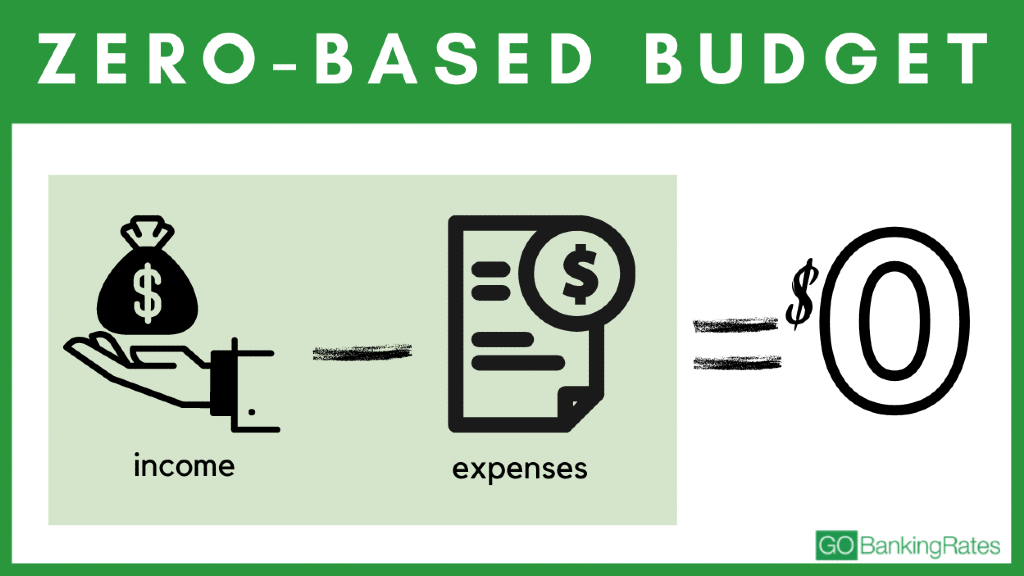
In conclusion, zero-based budgeting isn’t just a technique; it’s a lifestyle change that empowers you to take control of your finances. With every dollar back to square one, you’re not only maximizing your resources but also learning the valuable lesson of intentional spending. So, whether you’re a personal finance guru or a business tycoon, it’s time to embrace the zero-based budgeting revolution!
Question & Answer Hub
What is the primary goal of zero-based budgeting?
The primary goal is to ensure every dollar is allocated purposefully, leaving you with no funds left unassigned.
How often should I revisit my zero-based budget?
You should review your budget monthly to adapt to any changes in income or expenses.
Can zero-based budgeting work for irregular income?
Absolutely! You can adjust your budget based on projected income, making it flexible for variable earnings.
What are some common pitfalls of zero-based budgeting?
Common pitfalls include being overly optimistic with income projections or neglecting to account for every expense.
Is zero-based budgeting suitable for businesses of all sizes?
Yes, businesses of all sizes can benefit from zero-based budgeting, as it promotes efficiency and resource optimization.


