
Bankruptcy and credit score—two phrases that can send shivers down your spine or, at the very least, give you a good chuckle if you’re in the right mood! Imagine your credit score doing the cha-cha after you declare bankruptcy, twirling downwards in an awkward yet humorous dance. But fear not, dear reader! This wild ride through the world of bankruptcy will not only enlighten you on its impacts on your credit score but also guide you through post-bankruptcy shenanigans like auto loans and finding that perfect lawyer to help you along the way.
As we dive deeper, we’ll explore how different bankruptcy types can shape your financial landscape, compare interest rates like a game show host, and arm you with tips to snag that sweet new car without breaking the bank (again!). So buckle up and let’s navigate this bumpy road together!
Understanding Bankruptcy and Its Impact on Credit Score
Filing for bankruptcy can feel like you’re taking a roller coaster ride through a financial amusement park—minus the fun and cotton candy. It’s a tough decision, but understanding how it affects your credit score and your future can help you navigate these choppy waters with a bit more confidence (and maybe even a chuckle).When someone declares bankruptcy, the immediate fallout is like a tornado ripping through their credit score.
Typically, a bankruptcy can lower your credit score by 200-300 points, depending on your previous financial history. However, it’s not just a one-hit wonder; the impact can linger like that catchy song you can’t get out of your head—bankruptcy can stay on your credit report for up to 10 years. In that time, your score will gradually recover as you demonstrate positive credit behavior, like paying bills on time and not accumulating new debt.
Think of it as your credit score doing a slow dance back to life, but you need to steer clear of any missteps!
Types of Bankruptcy and Specific Implications
There are several types of bankruptcy, each with its own unique flair and consequences. Here’s a quick rundown that might help you decide whether you’re more of a Chapter 7 or a Chapter 13 kind of person:
- Chapter 7 Bankruptcy: This is like hitting the reset button on your financial life. It allows for the discharge of most unsecured debts, but it does come with the cost of some assets which may be liquidated. Expect this to ding your credit score and stay on your report for up to 10 years.
- Chapter 13 Bankruptcy: This is more of a financial rehabilitation plan. It allows you to keep your assets while paying back a portion of your debts over three to five years. While this can be less damaging to your credit score than Chapter 7, it still hangs around for 7 years, reminding you of your financial adventure.
- Chapter 11 Bankruptcy: Typically for businesses, this type can also be applicable to individuals with significant debts. It allows for reorganization so they can keep the business afloat while paying back creditors. The credit impact here can vary widely depending on how it’s handled.
Each type of bankruptcy has its distinct implications, and choosing the right one can be as tricky as picking the right pair of shoes for a marathon—you don’t want to end up with blisters!
Long-Term Financial Consequences of Filing for Bankruptcy
The long-term financial consequences of filing for bankruptcy can feel like a dark cloud looming over your finances. Once the dust settles, you might find:
- Difficulty Obtaining Credit: Post-bankruptcy, lenders may view you as a risky bet, making it challenging to secure loans or credit cards. Imagine asking for a loan at a party, and everyone suddenly avoids eye contact.
- Higher Interest Rates: If you do manage to snag a loan, be prepared for those interest rates to be higher than a giraffe on stilts. Lenders often charge more due to the perceived risk.
- Employment Challenges: Some employers may conduct credit checks, and a bankruptcy could raise concerns about your financial responsibility. It’s like showing up to a job interview with a neon sign blinking “I’m broke!”
- Emotional Stress: Beyond financial implications, bankruptcy can carry emotional weight. The stigma associated with it can feel heavier than carrying a stack of textbooks—without the benefit of a summer reading list.
In the grand scheme of things, bankruptcy might seem like a financial black hole, but it can also offer a new beginning. Just be ready for the ride back to financial stability—it may not be a straight path, but with patience and persistence, you can turn your situation around!
Navigating Auto Loans Post-Bankruptcy
After experiencing bankruptcy, the thought of securing an auto loan may seem as daunting as finding a unicorn at a petting zoo. However, fear not! With a bit of strategy and financial savvy, you can smoothly navigate your way to that shiny new set of wheels. Let’s buckle up and cruise through some essential tips and comparisons that will help you steer clear of any potholes in your post-bankruptcy auto loan journey.
Strategies for Securing an Auto Loan
Securing an auto loan after bankruptcy is not only possible, but it can also be a rewarding experience if approached correctly. Here are some strategies to consider that will help you rev up your chances of approval:
- Clean Up Your Credit Report: Before applying for a new loan, review your credit report for any inaccuracies. Correcting errors is like tidying your room before guests arrive; it makes everything look better!
- Consider a Co-Signer: If you have a friend or family member with a solid credit score who trusts you, having them co-sign can significantly improve your chances of getting that loan. Just remember, with great power comes great responsibility. Both parties are on the hook!
- Shop Around: Don’t settle for the first lender that throws you a bone. Different lenders have varying criteria, and your bankruptcy history may not be as much of a deal-breaker with some as it is with others. Channel your inner Goldilocks and find the offer that’s just right!
- Explore Subprime Lenders: Some lenders specialize in working with those who have poor credit histories, including recent bankruptcies. These loans may come with higher interest rates, but they can be a stepping stone towards rebuilding your credit while you drive your new car.
Interest Rates and Terms Comparison
When it comes to auto loans, those who have been through a bankruptcy tend to face different interest rates and terms compared to those with clean financial records. Here’s a closer look:
The differences can be as stark as a raccoon in a tuxedo versus one in a trash can. Generally, individuals with a bankruptcy history might see interest rates ranging from:
| Status | Typical Interest Rate |
|---|---|
| Without Bankruptcy | 4% – 6% |
| With Bankruptcy | 10% – 20% |
Additionally, the terms may vary significantly, with those recovering from bankruptcy often offered shorter repayment periods, meaning higher monthly payments. Think of it as getting a smaller slice of cake but being served it more quickly!
Budgeting for an Auto Loan Payment
Budgeting post-bankruptcy is a crucial element that can determine whether you glide into your new vehicle or face a bumpy ride. Here are some tips to help you keep your finances in check while managing your new auto loan:
- Assess Your Monthly Income: List all sources of income and calculate your total monthly earnings. This will give you a clear picture of what you can afford without sacrificing your daily coffee fix.
- Factor in All Expenses: Don’t forget to account for insurance, gas, maintenance, and unexpected repairs. These are the surprise guests that show up at your party—better be prepared!
- Set a Loan Payment Limit: Aim for a loan payment that won’t exceed 15-20% of your gross income. This is a comfortable range that will keep your budget in the green rather than the red.
- Create an Emergency Fund: Life is unpredictable (cue dramatic music), and having a little extra cash set aside can keep you from spiraling back into financial despair. Aim for at least three months’ worth of car payments.
Finding the Right Bankruptcy Lawyer
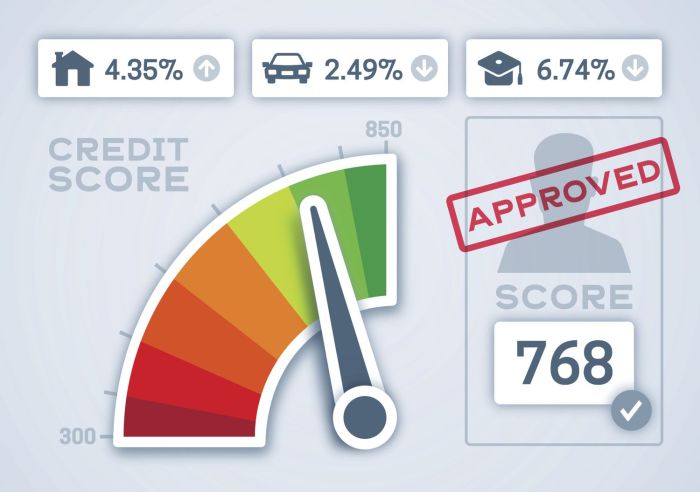
Choosing the right bankruptcy lawyer is akin to selecting a partner for a dance-off – you want someone who knows the steps, can lead gracefully, and won’t trip over your financial woes. A good bankruptcy attorney should not only have the necessary experience but also be someone you can trust, because let’s face it, you’ll be sharing some personal financial secrets that would make even your therapist blush.The importance of legal representation in the bankruptcy process cannot be overstated.
Navigating bankruptcy without an attorney is like trying to assemble IKEA furniture without the instructions – you’re likely to end up with a lopsided chair and a lot of leftover parts. A skilled bankruptcy lawyer will guide you through the legal maze, ensuring that you avoid pitfalls that could lead to more financial chaos. They’ll help you understand your options, rights, and obligations, ultimately paving the way for a fresh start.
Key Factors in Choosing a Bankruptcy Attorney
When selecting a bankruptcy lawyer, consider the following factors that can make or break your financial revival:
- Experience in Bankruptcy Law: Look for attorneys who specialize in bankruptcy and have a proven track record. You wouldn’t want a family lawyer trying to handle your bankruptcy case while still figuring out how to split your assets in a divorce.
- Positive Reviews and Testimonials: Check online reviews and ask for references. A lawyer with happy clients is like a chef with rave reviews – they know what they’re doing and people trust their skills.
- Transparent Fee Structure: Understand their fees upfront. Some lawyers charge a flat fee while others may charge hourly. Make sure you know what services are included; you don’t want surprise bills that feel like hidden charges in a restaurant menu.
- Communication Style: Choose a lawyer who communicates clearly and promptly. You need someone who can explain complex legal jargon without making you feel like you’re listening to a lecture in another language.
- Accessibility: Confirm their availability. You want a lawyer who isn’t just available for a quick chat but is ready to dive deep into your financial situation whenever you need them.
Common Fees and Services Provided by Bankruptcy Lawyers
Understanding the fees associated with hiring a bankruptcy attorney is crucial in avoiding any financial surprises later. Below are the typical services offered and their common fees:
- Initial Consultation: Many attorneys offer a free or low-cost initial consultation to discuss your situation. This is your chance to gauge their expertise and see if they’re the right fit.
- Filing Fees: Attorneys generally charge a flat fee that covers the preparation and filing of your bankruptcy petition. This fee can range from $1,000 to $3,500 depending on the complexity of your case.
- Additional Services: Some lawyers may offer additional services, such as credit counseling or financial planning post-bankruptcy, which may come at an extra charge. It’s important to clarify these costs beforehand.
- Hourly Rates: If your case is particularly complex, some attorneys may charge hourly rates for additional legal work. These rates can vary widely, so make sure to ask about their hourly charges and estimate the expected time involved.
“Hiring a bankruptcy lawyer is like having a lifeguard at a swimming pool – they help you stay afloat and avoid drowning in a sea of debt.”
Armed with the right information, you can confidently choose a bankruptcy lawyer who will help you navigate the murky waters of financial distress while keeping your sanity intact. After all, everyone deserves a second chance, and with the right legal representation, you’ll be two steps closer to financial freedom – and maybe even a little cha-cha-cha along the way!
Final Summary
In summary, bankruptcy and credit scores may seem like an odd couple, but understanding their relationship is key to navigating your financial future. With the right strategies, a trusty lawyer, and a dash of humor, you can turn your financial frown upside down and plan for a brighter tomorrow. Remember, every financial blunder is just a plot twist in your epic money saga—don’t let it steal the show!
Commonly Asked Questions
How long does bankruptcy stay on my credit report?
Typically, bankruptcy can hang around on your credit report for 7 to 10 years, depending on the type you file.
Can I improve my credit score after bankruptcy?
Absolutely! With responsible credit use and good financial habits, your credit score can bounce back in no time.
Will I ever be able to get credit again after bankruptcy?
Yes, it’s like the phoenix rising from the ashes; lenders will still offer credits and loans, albeit sometimes at higher interest rates.
What should I avoid doing after filing for bankruptcy?
Steer clear of accumulating more debt, ignoring your credit report, and avoiding financial education—it’s a recipe for disaster!
Do bankruptcy lawyers offer payment plans?
Many do! It’s worth asking, as they understand that finances can be tight during this time.


